 Reviews



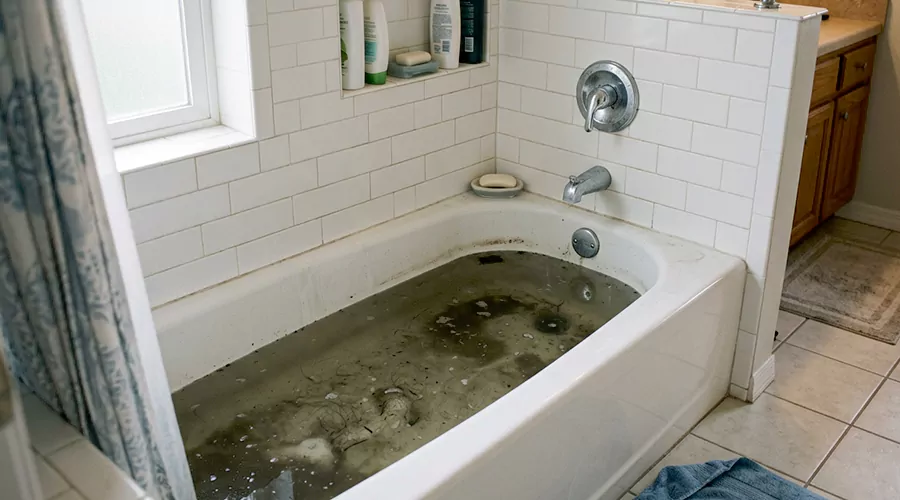
Your bathtub is usually clogged because hair has collected around the stopper and combined with soap residue. A misadjusted stopper can also imitate a clog by partly blocking the drain. Professional bathtub unclogging generally costs about $150 to $350 in 2026. The supplied keyword bathtub clogged has 5,000 average monthly searches. The important question is not only what entered the drain. You also need to determine whether the pipe is actually blocked or the stopper mechanism is restricting flow.
Why Does Hair Block a Bathtub Drain?
Hair creates a strong drain obstruction because strands wrap around the stopper and drain crossbars. Soap residue then sticks to the hair. New material attaches to the existing mass until the opening becomes too small for normal water flow.
- The process is gradual.
- A few strands do not usually stop the drain.
- The problem begins when those strands stay in place.
- Bath products can then add residue.
- Mineral deposits can make the surface rougher.
This creates a better place for future hair to catch.
Can the Bathtub Stopper Make It Look Clogged?
Yes. A trip-lever bathtub can use an internal plunger connected to the overflow linkage. If that stopper sits too low it can partly close the waste path even when you think the drain is open.
This problem can produce slow drainage without a large pipe blockage.
- Remove the overflow plate.
- Inspect the linkage.
- Clean away visible hair.
- Check whether the stopper moves fully.
- Reinstall it carefully.
A current 2026 tub-drain guide specifically notes that incorrect stopper position can mimic a clog. This is one reason repeated drain cleaner may do nothing.
What Other Materials Can Block a Bathtub?
Hair is the main structural material in many tub clogs. Other residue can make the obstruction heavier or harder to move.
- Soap deposits can coat the pipe.
- Body oils can add sticky residue.
- Small objects can enter around an open drain.
- Mineral scale can narrow the pipe.
The keyword clogged tub drain represents the same failure state in shorter search language. A rigid object creates a different repair problem from hair. It should be retrieved when possible rather than pushed deeper.
How Does a Bathtub Clog Develop?
Bathtub clogs often take weeks or months to become severe. The earliest stage is easy to overlook because the water still disappears.
| Stage | Drain Behavior | Likely Cause | 2026 Cost Exposure |
|---|---|---|---|
| Early | Slight slowdown | Hair collecting | Usually DIY |
| Partial | Puddle during use | Growing buildup | Low tool cost |
| Heavy | Standing water | Dense hair clog | $150 to $350 |
| Widespread | Other drains affected | Larger line blockage | Higher |
A household tub unclogging project can often be done with $25 to $50 of basic tools. Professional clearing commonly costs $150 to $350. The cheapest stage to correct is the first one.
What Signs Point to Hair and Soap Buildup?
An isolated bathtub that drains slowly is more likely to have a local clog than a whole-house drainage problem. Visible hair makes that diagnosis even stronger.
- Water pools only in the bathtub.
- Other fixtures still drain normally.
- Hair appears around the stopper.
- Drainage improves after surface cleaning.
- The tub develops a musty drain odor.
- Water clears slowly after bathing.
- The clog worsens over time.
- A plastic hair tool removes debris.
- The drain becomes faster after plunging.
- The problem returns as hair collects again.
These symptoms point toward a local obstruction rather than immediate pipe failure.
What Signs Point to a Deeper Drain Problem?
A larger drain problem affects more than the bathtub. Water can also return through the tub because it is a low fixture in the bathroom.
- Check nearby sinks.
- Flush the toilet and listen.
- Watch whether tub water moves.
- Notice widespread gurgling.
- Look for dirty backup water.
Multiple clogged fixtures often indicate a larger drain-line obstruction. Stop adding water to the plumbing system when a main-line blockage is suspected. More water can increase the backup.
How Can You Diagnose the Bathtub Today?
Remove the stopper and perform a simple visual test before using any chemicals. This diagnostic can tell you whether the obstruction is directly beneath the drain opening.
- Wear gloves.
- Pull the stopper.
- Inspect with a flashlight.
- Remove visible hair.
- Run a small amount of water.
- Watch the drainage speed.
If drainage improves sharply the problem was near the surface. If nothing changes the obstruction may sit deeper. If the tub is still slow with the stopper removed, the stopper alone was not causing the problem. That distinction determines the next step.
How Do You Clear a Local Bathtub Clog?
Start with a flexible hair-removal strip.
- Use a flat plunger if the drain remains slow.
- Seal the overflow before plunging.
- Move to a hand auger when the blockage sits deeper.
- For many tubs the auger should enter through the overflow opening.
- Keep the cable controlled.
- Do not force rigid resistance.
- Pull captured material outward.
- Then test with sustained water flow.
A fully cleared drain should keep up with the running faucet.
When Should You Call a Professional?
Professional diagnosis is appropriate when the tub remains clogged after mechanical clearing or another fixture begins backing up. A leaking drain connection also changes the problem because water damage becomes possible.
Professional bathtub unclogging costs about $150 to $350 in 2026. A drain replacement costs about $500 to $1,020 when damaged piping or drain hardware requires replacement.
Professional attention makes sense when:
- Multiple fixtures drain slowly.
- Wastewater backs into the tub.
- The clog immediately returns.
- A hand auger cannot clear it.
- The tub leaks underneath.
- Drain hardware is damaged.
The keyword tub drain replacement should describe a failed drain assembly rather than a normal hair blockage.
How Can You Prevent the Bathtub From Clogging Again?
Preventive maintenance works best before drainage becomes noticeably slow. Catching hair at the surface removes the main structure that soap residue would otherwise attach to.
- Install a hair-catching drain cover.
- Empty it frequently.
- Clean the stopper.
- Pull visible hair from the crossbars.
- Monitor drainage speed.
- React as soon as the tub becomes slower.
The habit takes only a few minutes. It also reduces the need for stronger clearing methods later.
Conclusion
If you are asking why is my bathtub clogged, start with hair and the stopper mechanism. Hair mixed with soap residue causes many local tub blockages. A trip-lever stopper can also sit too low and restrict the drain. Remove the stopper and inspect the opening before moving deeper. If several fixtures are affected or wastewater enters the tub, the problem may extend beyond the bathtub drain.
Frequently Asked Questions
Why does my bathtub clog faster than my shower?
A tub stopper can trap hair directly around its mechanism. Bath products can also leave residue around the drain.
Can a stopper cause a complete blockage?
A poorly positioned stopper can greatly reduce flow. A complete stoppage can still involve hair or another obstruction.
Why does my bathtub gurgle?
Restricted drainage can move air through the piping. Gurgling in several fixtures can point toward a deeper problem.
Can hard water contribute to bathtub clogs?
Mineral buildup can narrow surfaces and make it easier for hair to catch. Hair remains a major cause of local tub clogs.
Why does dirty water come back into the bathtub?
A blockage farther downstream can force wastewater toward a lower fixture such as the bathtub.